
In the realm of event planning, ensuring accessibility is paramount to fostering an inclusive and welcoming environment for all attendees. By carefully considering factors such as venue selection, communication methods, physical accessibility, signage, and accommodation requests Singapore event venue, event organizers can proactively address the diverse needs of participants.
This article delves into the critical aspects that must be taken into account when striving to create events that are accessible to individuals of varying abilities and requirements.

Venue Selection
When selecting a venue for an event, consider its accessibility features carefully. Accessibility is a critical aspect to ensure that all attendees, regardless of their physical abilities, can participate fully.
Look for venues that offer wheelchair ramps https://askvenue.com.sg/, elevators, and accessible restrooms to accommodate individuals with mobility challenges. Additionally, check if the venue provides designated parking spaces for people with disabilities and if it has adequate signage in Braille or large print for those with visual impairments.
Choosing a venue with inclusive features not only demonstrates a commitment to diversity and equality but also enhances the overall experience for all event participants. Prioritizing accessibility in venue selection is key to hosting successful and inclusive events.
Communication Methods
For effective event accessibility, utilizing diverse communication methods is essential to ensure clear information dissemination to all participants. When planning an event, consider incorporating various communication channels such as emails, social media, text messages, and printed materials to reach a wider audience.
Providing information in multiple formats can cater to individuals with different communication preferences or accessibility needs, ensuring that everyone receives essential details about the event. Additionally, offering options for participants to request additional support or accommodation related to communication can enhance inclusivity.
Physical Accessibility
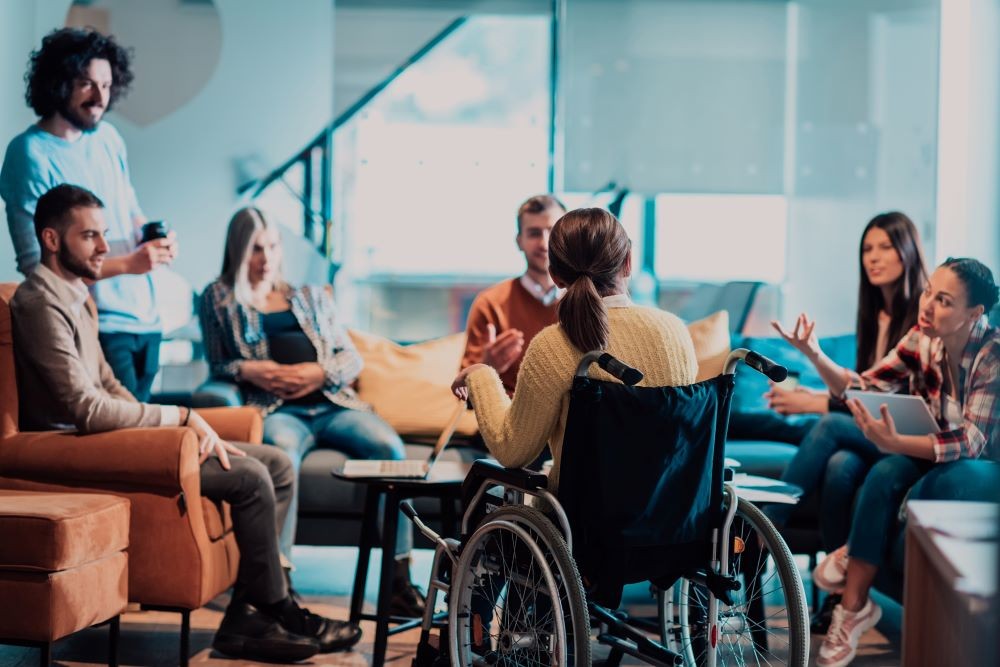
Utilizing diverse communication methods is crucial for event accessibility, and extending this consideration to physical accessibility is paramount for ensuring inclusivity in all aspects of event planning. Physical accessibility involves creating an environment that accommodates individuals with varying mobility needs. It encompasses factors such as wheelchair access, ramps, elevators, and designated seating areas.
When planning an event, it is essential to assess the venue for potential barriers that may hinder individuals with physical disabilities from fully participating. Ensuring that pathways are clear, restrooms are accessible, and seating arrangements are adjustable can greatly enhance the overall inclusivity of the event. By prioritizing physical accessibility, event organizers demonstrate their commitment to creating a welcoming and accommodating environment for all attendees.
Signage and Wayfinding
Continuing the focus on physical accessibility, it is imperative to address signage and wayfinding in event planning with meticulous attention to detail. Clear and visible signage is crucial for guiding all attendees, including those with visual impairments or cognitive disabilities, throughout the event space.
Utilizing high contrast colors, large fonts, and simple language can significantly enhance the readability of signs. Moreover, incorporating Braille or tactile signage can further ensure that individuals with visual impairments can navigate the venue independently.
Wayfinding strategies should be intuitive, with clear paths, accessible routes, and ample signage at decision points. By prioritizing effective signage and wayfinding techniques, event organizers can create a more inclusive and welcoming environment for all participants.
Accommodation Requests
In preparation for an inclusive event, organizers must proactively address accommodation requests well in advance of the scheduled date. It is crucial to establish clear channels for attendees to communicate their specific needs, such as dietary restrictions, mobility assistance, or sensory accommodations.
Providing a designated point of contact for accommodation requests can streamline the process and ensure that all necessary arrangements are made. Organizers should also maintain open lines of communication to promptly address any concerns or modifications required.
Conclusion
In conclusion, when planning an event, it is crucial to consider factors such as:
- Venue selection
- Communication methods
- Physical accessibility
- Signage and wayfinding
- Accommodation requests
By addressing these key areas, event organizers can create a more inclusive and welcoming environment for all attendees.